5 Best Garage Door Openers for Heavy Doors (November 2026)
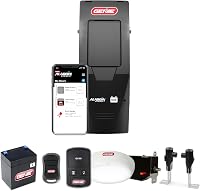
The best garage door openers for heavy doors include the Genie B6172H wall mount opener for tall residential doors, the LiftMaster 98022 Premium Series jackshaft opener for myQ wall mounting, and the Genie 6072H-O wall mount opener for clearing ceiling space.
On this page (8 sections)
- How to choose the best garage door opener for heavy doors
- Which opener suits your heavy door and garage layout?
- What door measurements and hardware should you check first?
- Which features matter after the opener fits?
- How should you plan installation for a heavy door opener?
- How do you care for an opener on a heavy door?
- What mistakes lead to the wrong heavy-door opener?
- Which garage door opener should you pick for a heavy door?
The Genie B6172H wall mount opener is the best garage door opener for heavy doors in this group because it pairs a clear residential door capacity with battery backup and phone control. It supports doors up to 850 lb, 14 ft high and 180 sq ft, provided the door system is compatible.
Start with the door, then choose the opener. A wide insulated door, tall workshop door and solid wood door can have different weights and installation needs even when they look similar from the driveway.
See our guide to tall, heavy or low-headroom garage doors for unusual layouts. For the wider picture, read garage door opener size and drive basics.
Our picks at a glance
-
1

-
2
 Best for myQ wall mounting
LiftMaster 98022 Premium Series jackshaft opener
7.2/10 our score
See it on Amazon -
3

- 4
 Check it
Chamberlain 1-1/4 HP belt drive opener with camera
Best for busy attached garages - 5
 Check it
Chamberlain 1 HP belt drive opener with camera
Best for connected daily access
How to choose the best garage door opener for heavy doors
Choose an opener whose door limits and installation requirements match your garage, then compare backup power, noise and controls. More motor power cannot correct weak springs, damaged tracks or poor balance.
We compared capacity, mounting requirements and included features, with the door's mechanical fit taking priority over smart extras. The Genie models offer clear weight limits; the LiftMaster and Chamberlain options need model-specific capacity confirmation before a heavy-door purchase.
That distinction matters more than a small score difference. An opener that fits your neighbor's double garage may be wrong for your door's construction, track arrangement or spring system.
| Product | Best for | Door weight | Door height | Mount | Our score |
|---|---|---|---|---|---|
| Genie B6172H wall mount opener | tall residential doors | Up to 850 lb | Up to 14 ft | Wall mount | 7.4 |
| LiftMaster 98022 Premium Series jackshaft opener | myQ wall mounting | Wall beside the door | 7.2 | ||
| Genie 6072H-O wall mount opener | clearing ceiling space | Up to 850 lb | Up to 14 ft | Wall mount | 7.1 |
| Chamberlain 1-1/4 HP belt drive opener with camera | busy attached garages | 7.0 | |||
| Chamberlain 1 HP belt drive opener with camera | connected daily access | 7.0 |
Which opener suits your heavy door and garage layout?
Choose the B6172H for a compatible heavy door when you want backup power and phone control together. The other picks suit buyers with different mounting needs, control preferences and priorities.
Genie B6172H: the first choice for compatible heavy residential doors
Genie B6172H wall mount opener: Best for tall residential doors
- Lifts residential doors up to 850 lb
- Supports doors up to 14 ft high
- Wall mount design
- Battery backup and Aladdin Connect
Choose this model for a compatible heavy residential door when you want ceiling space, backup power and phone control in one package.
Pros
- Supports standard, high-lift and vertical-lift doors within its limits
- Battery backup included
- Aladdin Connect smartphone control
Cons
- Does not work with extension springs or one-piece doors
- Excludes reverse wound springs and low headroom outside hook-up
The B6172H suits a garage where the door is both substantial and tall, and where keeping the ceiling clear has a purpose. Think overhead storage, a high-lift arrangement or a workspace where a central opener rail would be in the way.
It supports standard, high-lift and vertical-lift doors within its limits. Aladdin Connect lets you monitor, open and close the door from a smartphone, while the included automatic door lock adds a separate locking component.
Genie's Safe-T-Pulse system checks for slack in the cables before closing. That feature supports door operation, but regular cable and hardware inspections still matter.
Skip this model if your door uses extension springs, reverse wound springs, a one-piece design or low headroom outside hook-up. Installation also needs a standard outlet within 6 ft of the opener.
This is the most complete starting point here for buyers who need both remote access and outage operation. Confirm the mounting arrangement before choosing it, using our guide to wall mount jackshaft openers to understand how this layout differs from an overhead opener.
LiftMaster 98022: for buyers who want myQ beside the door
LiftMaster 98022 Premium Series jackshaft opener: Best for myQ wall mounting
- Wall mount design
- myQ connectivity
- Security 2.0
- Requires front mount torsion bar system
Consider this wall mount model if you want myQ and less vibration through the ceiling. Have LiftMaster confirm your heavy door falls within its operating limits.
Pros
- Frees ceiling space
- myQ and Security 2.0 included
- LiftMaster says wall mounting reduces ceiling sound and vibration
Cons
- Requires a front mount torsion bar system
- Excludes roll up doors, low headroom track and Wayne Dalton TorqueMaster
- Heavy-door capacity needs confirmation
The LiftMaster 98022 suits buyers who want a wall mount layout with myQ and Security 2.0. LiftMaster says its design reduces sound and vibration transmitted through the ceiling, making it worth considering when living space sits above the garage.
Its required front mount torsion bar system is the first buying check. Roll up doors, low headroom track and Wayne Dalton TorqueMaster systems are excluded.
Do not choose this model for a heavy door until LiftMaster or a qualified installer confirms the supported weight and dimensions. The motor description alone does not provide enough information to settle that question.
Choose it when myQ and the mounting layout suit your plans and the installer has verified capacity. Skip it if you need to order immediately without resolving those limits, or if your garage uses one of the excluded systems.
For buyers replacing a ceiling-mounted unit, include outlet placement and wall clearance in the installation discussion. Our Chamberlain wall mount vs LiftMaster 98022 comparison helps narrow the wall mount choice.
Genie 6072H-O: for clearing the ceiling above a sectional door
Genie 6072H-O wall mount opener: Best for clearing ceiling space
- Lifts residential doors up to 850 lb
- Supports doors up to 14 ft high
- Wall mount design
- Safe-T-Pulse cable monitoring
A fit for compatible heavy sectional doors when ceiling clearance and local controls matter. Its included accessories cover lighting, wall control, remote operation and an automatic door lock.
Pros
- Supports standard, high-lift and vertical-lift doors within its limits
- Safe-T-Pulse cable monitoring
- Wireless wall console, LED light, remote and automatic lock included
Cons
- Needs an outlet within 6 ft
- Requires compatible torsion spring installation
- Confirm backup power and phone-control options if needed
The Genie 6072H-O suits a compatible residential sectional door when your main goal is removing the overhead rail and powerhead. It supports 850 lb, 14 ft and 180 sq ft, including standard, high-lift and vertical-lift arrangements within those limits.
Its included wireless wall console, LED light, remote and automatic door lock cover several daily-use needs. Safe-T-Pulse monitors cable tension during initial door travel.
Installation requires 2.5 in above and 7 in beside the spring tube, plus an outlet within 6 ft. Measure around brackets, trim and other fixed items rather than treating an empty patch of wall as proof of fit.
Choose it if local controls and ceiling clearance meet your priorities. If outage operation or phone access is essential, confirm the available options before ordering rather than assuming it includes the B6172H's equipment.
Skip it if the spring-tube clearances do not work or your door configuration has not been checked. Our wall mount opener roundup offers a wider comparison if this installation approach suits your garage.
Chamberlain 1-1/4 HP: for frequent use near living space
Chamberlain 1-1/4 HP belt drive opener with camera: Best for busy attached garages
- 1-1/4 HP comparison rating
- Reinforced belt drive
- Battery backup
- myQ and adjustable camera
Consider this overhead belt drive for frequent garage use, phone control and video monitoring. Confirm heavy-door suitability before choosing it by motor size.
Pros
- Battery backup included
- Adjustable camera and myQ
- Chamberlain backs the motor and belt with a 10-year warranty
Cons
- Maximum door weight needs confirmation
- Overhead rail needs ceiling space
- Horsepower comparison does not guarantee door fit
This Chamberlain belt drive suits a busy attached garage where phone control, video monitoring and outage access all matter. Chamberlain positions its reinforced belt and DC motor for quiet operation, which is useful when early departures could disturb nearby rooms.
The 1-1/4 HP figure is an AC motor comparison, not a door weight limit. Get confirmation that the B6830 supports your door before treating it as a heavy-door solution.
The adjustable camera lets you aim the view toward the area you want to monitor. Corner-to-Corner Lighting also makes this worth comparing if the opener's light will serve a large part of your garage.
Chamberlain backs the motor and belt with a 10-year warranty. Review the terms when planning the installation, especially if you are replacing only part of an older opener system.
Choose it after capacity is confirmed and when an overhead rail fits your space. Skip it if ceiling clearance is the main problem, and read our belt drive vs chain drive guide if you are still choosing a drive type.
Chamberlain 1 HP: for daily access with connected monitoring
Chamberlain 1 HP belt drive opener with camera: Best for connected daily access
- 1 HP comparison rating
- Reinforced belt drive
- Battery backup
- myQ and built-in camera
Choose this belt drive when confirmed door fit, app access and included remotes meet your daily needs. It includes a camera, single LED lighting and battery backup.
Pros
- Battery backup included
- Built-in camera and myQ
- 2 remotes included
Cons
- Maximum door weight needs confirmation
- Overhead rail needs ceiling space
- Horsepower comparison does not guarantee door fit
The Chamberlain B6630 suits buyers who want a belt drive with myQ, a built-in camera and battery backup for everyday garage access. It also includes 2 remotes and single LED lighting.
Its 1 HP figure is another AC motor comparison. Do not use the gap between this number and the previous model's number to calculate how much more door weight either opener can handle.
Chamberlain describes the reinforced belt drive and DC motor as quiet and designs this model for frequent use. It backs the motor and belt with a 10-year warranty.
Choose this model when its confirmed door limits fit and its controls and lighting meet your needs. The larger motor comparison on the other Chamberlain is not, by itself, a reason to reject this one.
Skip it if you need a verified heavy-door capacity before you can speak with Chamberlain or an installer. If the motor labels are causing confusion, our guide to what size garage door opener you need explains how to approach sizing.
What door measurements and hardware should you check first?
Record the door's weight, height, width and track arrangement before narrowing the shortlist. Then have an installer identify the spring system and check the door's condition.
Get the door weight without guessing
Use the door's model information, original paperwork or a professional assessment to establish its weight. Material alone is not enough because insulation, glass, reinforcement and added panels can change the load.
Do not try to weigh a heavy door by removing springs or loosening cables. If the weight is unknown, make that part of the installation survey.
Check height and area separately
An opener must suit the door's full size, even when the weight is below its limit. A tall, narrow door and a short, wide door can create different travel and installation needs.
Calculate area by multiplying width by height in feet. Confirm all applicable limits together rather than assuming that passing the weight check settles compatibility.
Identify springs, tracks and mounting room
A wall mount opener needs the correct shaft or spring-tube arrangement, not just spare wall space. Track layout can also rule out a model before motor strength enters the decision.
For an overhead opener, check the full rail path, ceiling height and mounting points. Tell the installer about storage racks, lights and any planned changes so the new opener does not block them.
If you are choosing between layouts, our wall mount vs belt drive guide explains where each design makes sense.
Separate a heavy door from a poorly balanced door
A correctly supported heavy door relies on its springs to offset much of its weight. The opener moves and controls the door; it should not compensate for a failed spring or binding hardware.
Arrange a professional inspection for uneven movement, loose cables, scraping or a door that suddenly becomes difficult to move. Stop using a faulty door until the cause is addressed.
Which features matter after the opener fits?
Prioritize backup power, noise and reliable daily controls after confirming mechanical fit. A camera or app can improve convenience, but neither solves an unsuitable mounting system.
Battery backup for dependable access
Backup power matters most when the garage is a main entry point or a power failure would disrupt your routine. It is also worth considering when manually operating the door could be difficult for someone in the household.
A backup battery powers the opener during an outage; it does not supply household power or correct a door fault. Follow the specific model's instructions for battery checks, replacement and available functions during an outage.
Use our guide to whether you need battery backup for a garage door opener to weigh it against your other access options.
Noise near bedrooms and shared walls
Consider both motor sound and vibration passed into the building. A quiet drive can still sound loud if loose hardware or a rough-moving door shakes the structure.
Wall mount and belt drive designs address different parts of that problem. Ask the installer to assess the door, mounting points and nearby rooms rather than choosing from the drive label alone.
Smart controls that suit your routine
Phone access helps if you regularly check whether the garage is closed or need to admit someone while away. Keep a practical local control option for household members who do not want to use an app.
Check Wi-Fi reception at the planned opener position before installation. A strong signal inside the house does not guarantee good reception beyond the garage wall.
A camera is useful only if it covers the area you care about. Plan its view around parked vehicles, shelves and an open door, and check any service terms for the features you expect to use.
How should you plan installation for a heavy door opener?
Have the door serviced as needed before the new opener is fitted, then commission the door and opener together. Replacing the motor while leaving a mechanical fault unresolved can turn a straightforward upgrade into repeat repair work.
Give the installer a complete brief
Share the door model, measurements, current opener details and any symptoms you have noticed. Include sticking at one point, uneven travel, unusual noise or a recent change in how the door moves.
Also explain how the garage is used. A household with frequent departures, a bedroom above the garage or limited alternative access may need different controls and placement choices.
Confirm what can be reused
Do not assume an old rail, wall control or remote will work with the replacement opener. Ask which parts belong to the new system and which existing parts can safely remain.
Have the installer review existing locks as well. A manual lock left engaged can obstruct powered travel, while an included automatic lock needs correct installation and coordination with the opener.
Plan power and lighting before mounting
Check outlet location early, particularly for a wall mount conversion. Moving the opener from the center of the ceiling to beside the door may put the existing outlet out of reach.
Keep cords out of the door's path and use a suitable permanent power arrangement. Include lighting placement in the plan so an open door or storage rack does not leave your main walking route dark.
Review operation before the job is finished
Have the installer set travel limits, force controls and safety devices according to the manual. Ask for a demonstration of normal operation, the manual release and the required safety checks.
Learn the manual-release procedure while the door is working properly. Never release a raised door that may have a spring or cable fault, because it could fall.
How do you care for an opener on a heavy door?
Keep the door moving freely and follow the opener's maintenance schedule. The springs, rollers, hinges and tracks deserve attention alongside the motor.
Watch the door through a full opening and closing cycle from a safe position. New scraping, jerking, cable slack or a change in sound is a reason to stop and arrange an inspection.
Keep photo-eye sensors clean and their path clear. Do not bypass them or increase closing force to overcome a door that reverses unexpectedly.
Use lubricant only where the door and opener manuals direct. A belt, chain, roller and track do not all call for the same treatment, and extra lubricant is not a repair for damaged parts.
Check accessible mounting hardware visually for movement or looseness. Leave spring brackets, cable drums and other tensioned parts to a qualified professional.
Follow the manual's safety-reversal check schedule and battery care instructions. If an app warning or backup alert appears, resolve it rather than waiting until the next outage.
What mistakes lead to the wrong heavy-door opener?
The biggest mistakes are choosing by motor size alone and replacing an opener before checking the door. Avoid these shortcuts when comparing quotes or ordering equipment.
- Buying from horsepower alone. Ask for model-specific door limits and compatibility, especially when the motor figure is a comparison.
- Ignoring door height. A suitable weight limit does not confirm the correct travel arrangement or rail configuration.
- Confusing high lift with low headroom. These are different track layouts, and support for one does not imply support for the other.
- Assuming wall mounting fits every torsion system. Check the exact spring, shaft and track arrangement against the chosen model.
- Treating app access as the only control. Plan local operation and household access as well as phone convenience.
- Using extra force to overcome resistance. Binding or imbalance needs repair rather than a stronger push from the opener.
Avoid choosing a unit only because its case fits beside the door. Installation space includes moving parts, brackets, electrical access and the clearances required by that model.
Which garage door opener should you pick for a heavy door?
Choose the Genie B6172H when your door is compatible and you want a wall mount package with backup power and phone control. Choose the Genie 6072H-O when ceiling clearance and its included local controls meet your needs, after resolving any backup or smart-control requirements.
Consider the LiftMaster 98022 if you prefer myQ in a wall mount layout and an installer confirms its capacity and torsion-system fit. Its installation requirements should decide the purchase before convenience features do.
Choose either Chamberlain belt drive only after confirming your door falls within that exact model's limits. Compare their lighting, camera setup and intended use rather than treating the horsepower gap as a heavy-door capacity chart.
The best garage door opener for heavy doors is the one that fits a sound, balanced door and supports how your household uses the garage. Take your measurements and requirements to our guide to choosing a garage door opener before placing the order.
Our top 3 picks at a glance
-
1
-
2
Best for myQ wall mounting
LiftMaster 98022 Premium Series jackshaft opener
7.2/10 our score
See it on Amazon -
3
Frequently asked questions
What type of opener is best for a heavy garage door?
An opener with confirmed capacity for your door and a compatible mounting system is the best choice. A wall mount model can free ceiling space, while a belt drive can suit an overhead installation.
Check weight, height, area, springs and track requirements before comparing convenience features.
Does a higher horsepower rating mean an opener can lift a heavier door?
A higher horsepower figure alone does not confirm that an opener suits a heavier door. The Chamberlain models here use comparisons to AC motor lift capacity.
Match the exact model to your door's weight and dimensions, and have a qualified installer resolve any uncertainty about balance or fit.
Can a wall mount opener work with any garage door?
No, wall mount openers need a compatible spring and track arrangement plus enough mounting clearance. The Genie B6172H excludes extension springs and one-piece doors, while the LiftMaster requires a front mount torsion bar system.
Have the complete door setup checked rather than judging fit from available wall space alone.
Should I replace the springs on a heavy garage door?
A heavy door does not automatically need new springs, but poor balance or damaged hardware needs professional attention. Arrange an inspection if the door feels unusually heavy, moves unevenly or will not stay open.
A stronger opener cannot correct those faults, and spring work belongs with a qualified garage door professional.
Do I need battery backup for a heavy garage door opener?
Battery backup is useful if you depend on the garage for access during an outage. It powers the opener when household electricity fails, but it cannot make a damaged or poorly balanced door safe.
Compare backup needs with your other entry options, then follow the model's battery care instructions.